
Agua Blanca: Manteña Culture, Ecotourism and Nature in the Heart of Machalilla National Park
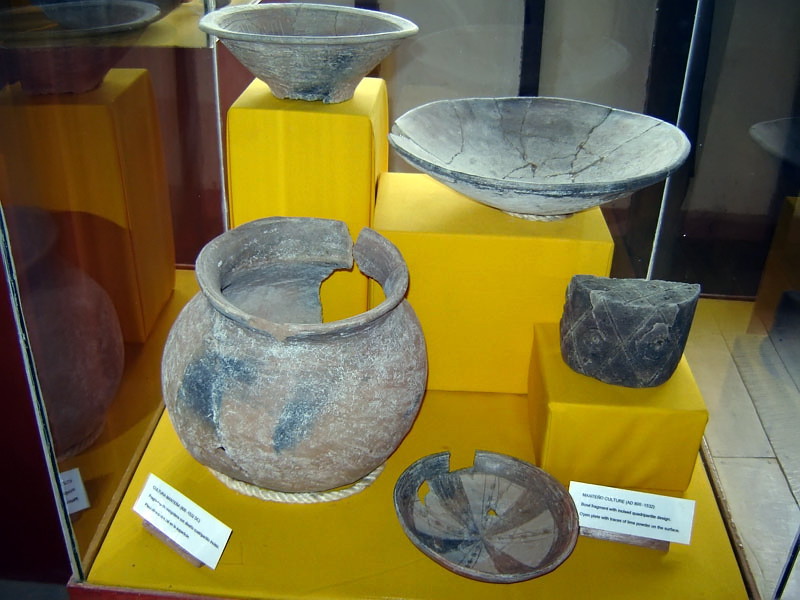
Agua Blanca is an archaeological site ideal for ecotourism and is located just 10 minutes by car north of Puerto López, on the right side of the road that leads to Machalilla. Next to the Buenavista River lies a complex of temples, plazas and dwellings belonging to the Manteña culture, a civilization that reached the peak of its development more than 1,500 years ago along this stretch of the Manabí coast.
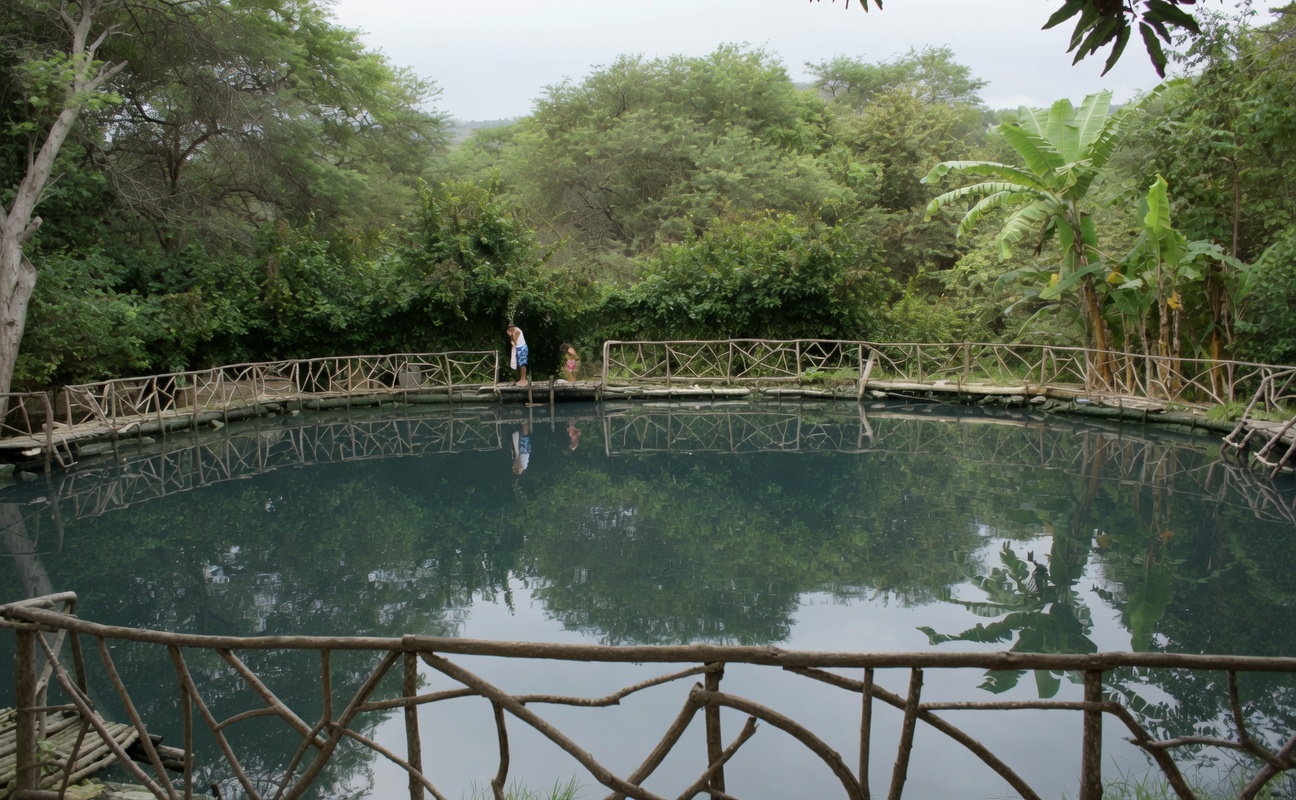
For the tourist interested in history and nature, the site offers a community archaeological museum, funerary urns and the opportunity to observe the local customs practiced by the community of Agua Blanca. In addition, visitors can explore nearby ecotourism natural attractions such as the sulfur springs and the secondary forests of Machalilla National Park. This destination perfectly combines cultural tourism with ecological tourism, becoming a must-stop for everyone who visits Puerto López.
The archaeological enclave of Agua Blanca is located in the heart of Machalilla National Park, with the lordship of Salangome being the most important cultural center of the region. In its period of splendor the place contained nearly 600 structures. Today, walking along its trails allows the visitor to feel the presence of one of the most sophisticated civilizations of the pre-Columbian Ecuadorian coast.
The archaeological ruins of Agua Blanca are sparsely scattered just south of the equator (0° 1' 30" S, 80° 45' W) in the coastal valley of the Buenavista River. They represent the core of the intensive occupation of the Manteña culture in this valley and are one of the largest and best-preserved archaeological sites on the northern coast. The location of these ruins probably functioned as the capital of Salangome, one of the most powerful lordships of the Ecuadorian coast.
The Manteña Culture and the Lordship of Salangome
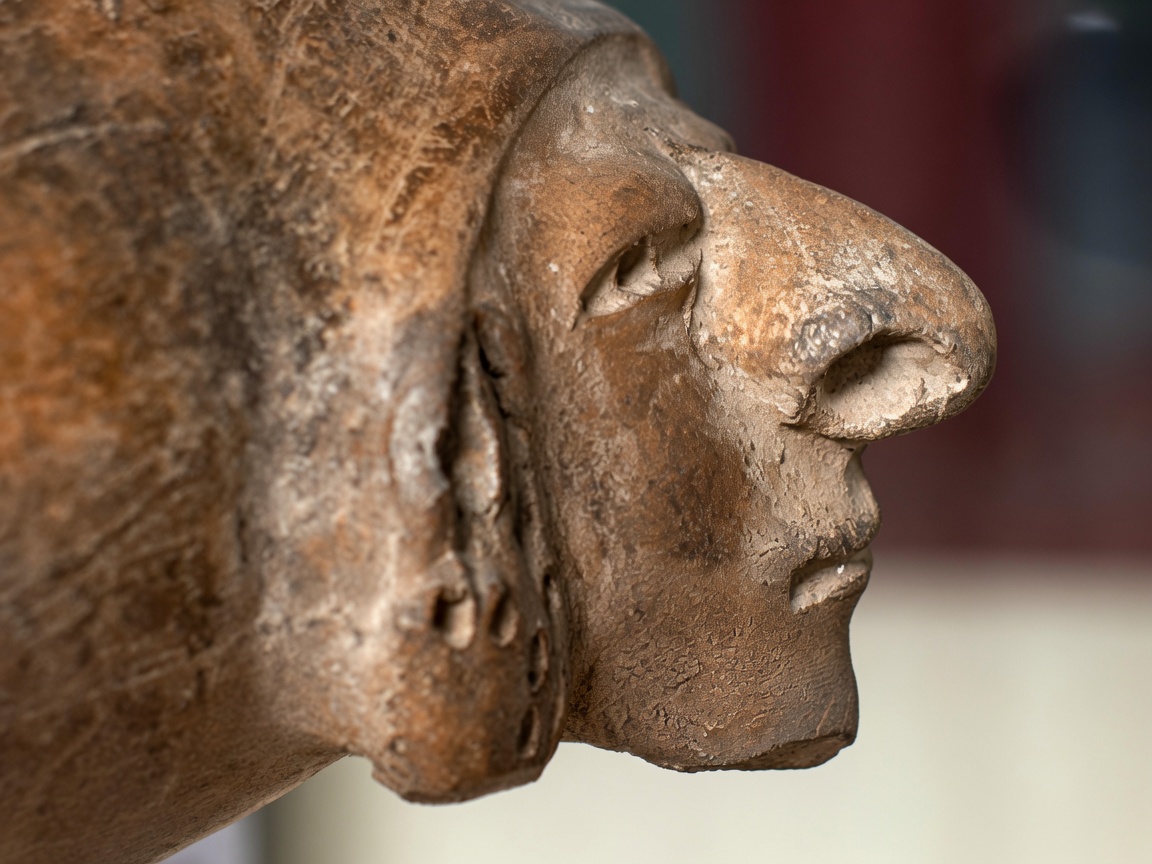 Manteña lordships such as Jocay, Picoazá and Salangome exercised political and economic dominion over a vast territory on the central coast of Ecuador, yet very little is still known about their political, economic and ideological institutions. During the period of the Manteña culture (from 800 AD until 1532), stone was used for the construction of buildings in larger settlements. The well-preserved archaeological sites that remain today offer the opportunity to identify architectural patterns with a precision that opens new doors in the analysis of the social institutions of the people who lived there.
Agua Blanca is not only an archaeological site: it is a living example of how ecotourism can contribute to the conservation of cultural and natural heritage. Many visitors combine their trip here with humpback whale watching, a tour to Isla de la Plata or a walk along the ecological trails of Machalilla National Park, creating a complete experience of sustainable tourism in the area of Puerto López.
The Stone Chairs of the Manteña Culture
On the surface of the Agua Blanca site, remains of the various Manteña architectural complexes built on stone foundations can still be seen. In addition to the importance of the site itself, it is remarkable that it still contains many fragments of the stone chairs of the Manteña culture. These chairs (which at the time were the main symbol of status in Manteña society) were built around certain architectural structures.
Over the years several researchers have studied the mentioned stone chairs of the Manteña culture, arriving at interpretations that range from the more serious to the more speculative. In addition, local landowners removed some chairs from their original locations, sending many of these artifacts abroad. These shipments took place mainly during the 19th century and were carried out without keeping a precise record of their place of origin. Today the chairs that remain in situ are one of the greatest attractions for lovers of cultural tourism and ecotourism.
Prehistoric Settlement of the Buenavista River Valley
In 1979 a survey of the lower part of the Buenavista River was carried out, starting from its mouth in the Bay of Puerto López and ending at Vueltas Largas, about 12 km inland. The surface collection included materials covering all the cultural periods found on the coast. Settlement formed in the Valdivia period and expanded progressively from there. The archaeological visibility of the older sites is severely hindered by erosion and alluvial sediment deposits. As a result, the settlement patterns outlined in the area are a poor representation of the complete occupation of the valley.
At the end of the pre-Columbian cultural period, Manteña occupation in the valley was structured through a well-organized hierarchy of settlements. As a provisional method for classifying settlement systems, the following criteria are suggested:
- Public centers – architectural compounds that include stone structures more than 40 meters long, together with their corresponding stone chairs.
- Primary residential compounds – groups of stone structures from 10 to 40 meters long, together with their corresponding stone chairs.
- Secondary residential compounds – groups of stone structures less than 10 meters long.
- Groups of domestic units – where the density and distribution of material culture suggest a cluster of houses.
- Short-term occupations – where the scarce distribution of material suggests a single house or a short-term activity.
The Manteña settlement pattern revolves around residential and public architectural compounds associated with the stone chairs. Outside Agua Blanca this type of chair cannot be found at any archaeological site either inside or near the territory of the lordship of Salangome. Therefore it seems that Agua Blanca played an important administrative role in the lordship.
Modern Agua Blanca: From Hacienda to Ecotourism Community
 The modern era is considered to begin roughly in 1905. At that time five families already lived in Agua Blanca, having moved there from a nearby area that now forms part of the boundaries of Machalilla National Park. According to the first settlers, the land was notable for its abundant vegetation. In that period Joaquín González, hoping to take over most of the land in the area, managed to relocate the inhabitants of his farms and force the departure of the Museo, Fausto, Ramírez and Serafín families. After succeeding, González sold his possessions to Prudencio Vallejo, owner of the local inn. Vallejo registered the purchased land under the name Hacienda Agua Blanca and began several projects to exploit its natural resources, such as vegetable ivory and timber, as well as cattle and horse breeding. During this period vegetable ivory was exported to Europe, especially to Germany, departing from Puerto Machalilla, which was formerly a district.
As time passed, Vallejo became a large landowner thanks to his acquisition of several nearby haciendas. After 1930 the people living in the area organized and formed a committee to create a community (a form of local government) that would allow them to protect their rights as well as the little land that was still not privately owned. The struggle to achieve this goal lasted more than 30 years until 15 February 1965, when the Community of Agua Blanca was legally recognized as an entity thanks to Interministerial Resolution No. 33-34. The first representatives of the newly created community were: Humberto Martínez Muños (president), Carlos Pilozo Peñafiel (vice-president), Elisa Alban Ventura (treasurer), Pedro Alban Ventura (administrator) and José Claudio Pilozo Mera (secretary). The achievements of this organization include projects focused on the education and religion of the community. It also established the communal house that today houses the archaeological museum, supervised by the local community.
The cultural and natural richness of the area, together with its scenic beauty, gave rise in the years 1976 to 1978 to rumors about an ambitious project to create a protected zone for scientific research. In 1979 Machalilla National Park was created, leaving the Community of Agua Blanca at its center. After more than a decade of fieldwork, the Agua Blanca archaeological project developed a strong relationship with the local community, based on research, protection and conservation of the cultural resources in Machalilla National Park. The place is now considered one of the largest pre-Columbian centers of the northern Andes and receives visits from thousands of people every year.
The greatest achievement of this project is that the community has become involved, since the inhabitants of the place now supervise the management and presentation of these cultural resources. A critical and catalytic factor for this constructive change was the recovery of the community’s cultural identity. Agua Blanca is an example of how a community can subsist by using its natural and cultural resources through ecotourism, without resorting to their indiscriminate exploitation. Many travelers who arrive in Puerto López combine a visit to Agua Blanca with tours to Isla de la Plata, humpback whale watching or a stop in Salango, creating a complete itinerary of cultural tourism and nature tourism.
How to Get to Agua Blanca
The main office is located 5 km north of Puerto López, next to the bridge over the Buenavista River, where you will find information about visits to sites of interest within the park. From there you can reach on foot or by vehicle the trails that lead to the ruins, the museum and the sulfur springs.
Come and discover this unique destination. Agua Blanca is not only an archaeological site: it is a living community that demonstrates how ecotourism and Manabí hospitality can protect the heritage of generations. From Puerto López, the heart of sustainable tourism in Manabí, an unforgettable experience of history, nature and ancestral culture awaits you.