NDC adoption surges among traditional agencies in 2025


In 2025, traditional travel agencies substantially increased their adoption of New Distribution Capability (NDC), a data interface that increases airlines merchandising options for agency sales.

NDC adoption surges among traditional agencies in 2025According to ARC, leisure travel agencies accounted for 16% of settled NDC transactions in 2025 while corporate agencies accounted for 7%. The remaining 77% were transacted by online travel agencies (OTAs), which have long been the primary users of NDC.
A year earlier, leisure agencies accounted for 11% of NDC transactions, while TMCs accounted for 4%. OTAs had the remaining 85%. 
Traditional travel agencies, especially corporate agencies, have long been hesitant to adopt NDC, in part due to the cost and complexity of developing compliant technology and back-office processes, but also due to limited post-sale servicing capabilities in the GDSs.
Continue reading

TSA is undertaking a large expansion of Touchless ID


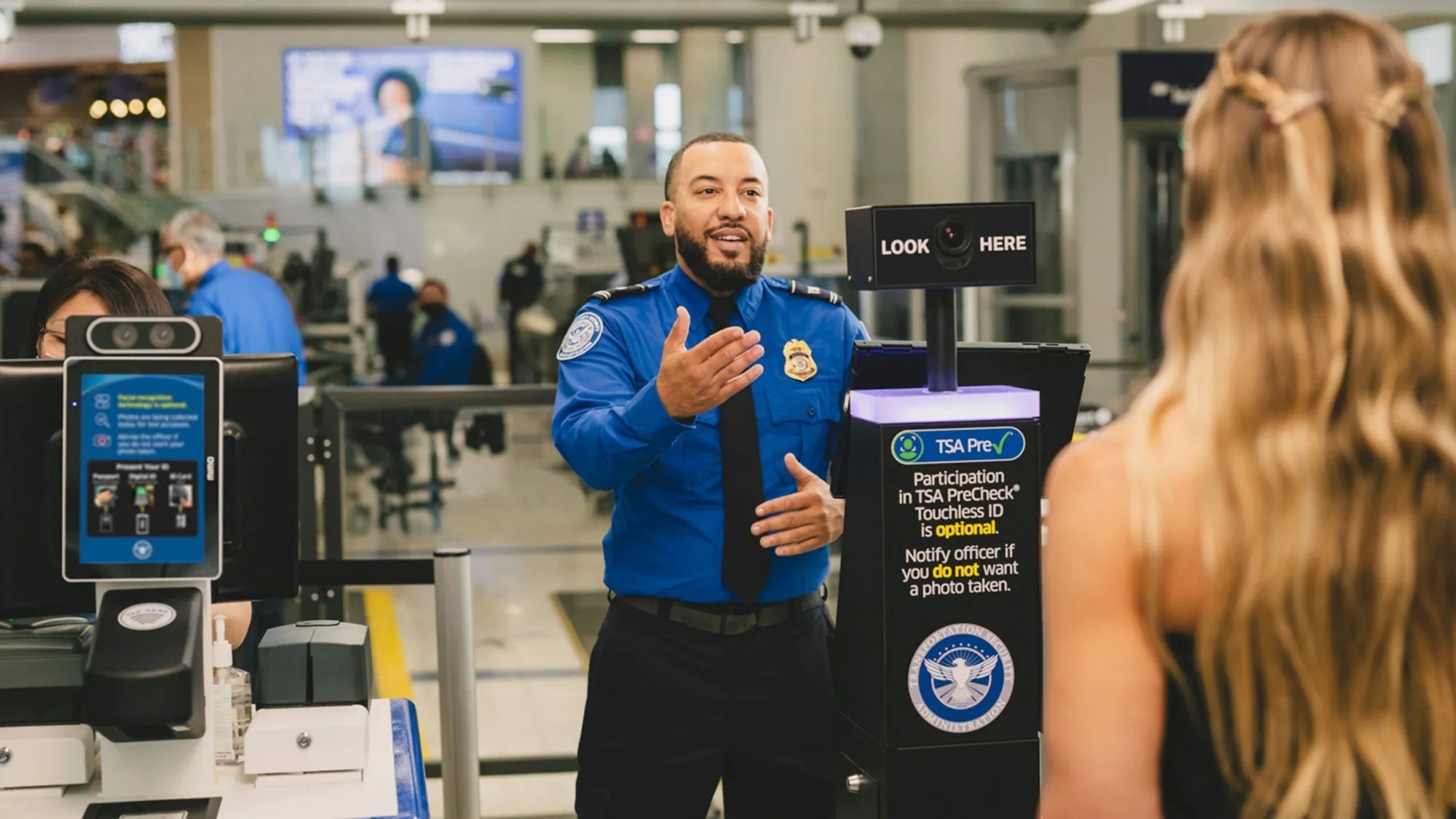
TSA intends to expand the PreCheck Touchless ID program to 65 airports by the end of the spring. 

TSA is undertaking a large expansion of Touchless IDTouchless ID lanes are currently in 15 airports: Atlanta, Dallas-Fort Worth, Chicago OHare, Detroit, Las Vegas, Los Angeles, Newark, New York JFK, New York LaGuardia, Phoenix, Salt Lake City, Seattle, San Francisco and Washington Reagan National.  
PreCheck members are able to go hands-free through the security checkpoint, pausing only briefly for a photo that is biometrically verified against a passport image.
As the TSA expands the program during the first half the year, its priority airports will be Houston Bush Intercontinental, Washington Dulles, Boston, Palm Beach, Miami, Orange County (Calif.), Dallas Love Field, Kansas City, Houston Hobby, Fort Lauderdale, San Jose (Calif.), Sacramento, Anchorage, Baltimore, Orlando and Long Beach. 

Continue reading

U.S. airlines press for removal of Dublin Airport passenger cap


Trade group Airlines for America (A4A) has asked the U.S. Transportation Department to push back against the government of Ireland and the EU to prevent an annual cap on Dublin Airport passengers. 

U.S. airlines press for removal of Dublin Airport passenger capIn a formal complaint dated Jan. 5, A4A said a cap of 32 million passengers would result in an 11% reduction in traffic at Dublin Airport, including for U.S. carriers. Dublin Airport is estimated to have enplaned 36 million flyers in 2025. 
The Dublin cap is already set at 32 million, according to the Irish Times, though enforcement is under stay pending a ruling by the Irish High Court on a lawsuit brought by A4A and Irish carriers Ryanair and Aer Lingus. In its complaint, A4A said the Irish High Court is awaiting an advisory opinion it requested from the Court of Justice of the EU (CJEU). The CJEU is expected to issue a tentative opinion on Feb. 12 and make a full decision several months later. 
The Dublin flight cap, said A4A, is predicated on vehicular traffic constraints in and out of the airport rather than by aircraft takeoff or landing capacity. The rule was put in place by the local planning body in Dublin. 

Continue reading

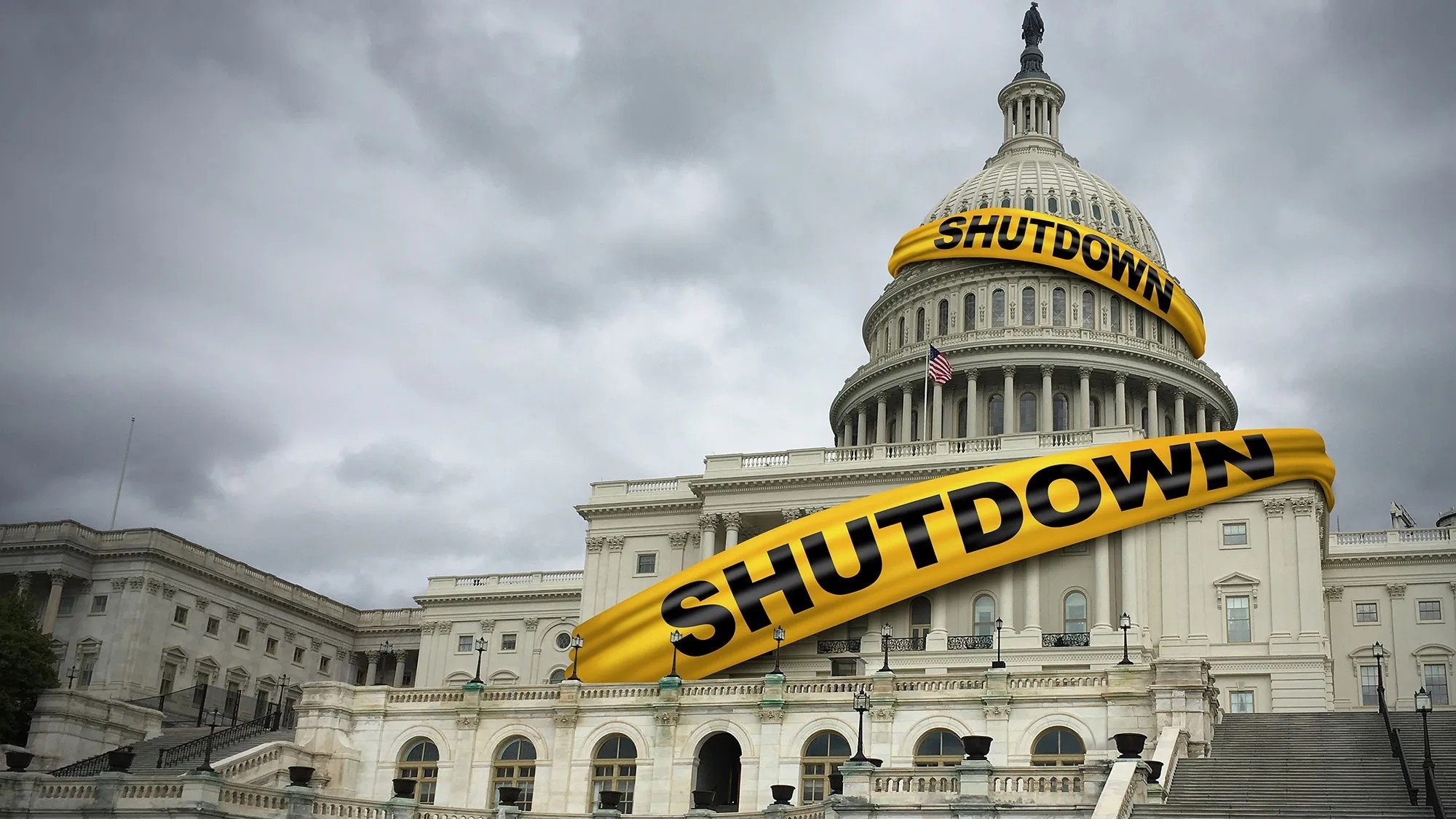
U.S. Travel Association: Government shutdown cost travel sector $6.1 billion


The U.S. governments record-long 43-day shutdown cost an estimated $6.1 billion in total economic losses across travel and related sectors, according to a post on the U.S. Travel Association website by its vice president of research, Joshua Friedlander. 

U.S. Travel Association: Government shutdown cost travel sector $6.1 billionU.S. Travel partnered with Tourism Economics to quantify the events effect on the travel industry. The shutdown lasted from Oct. 1 to Nov. 12, and on average, the U.S. saw 88,000 fewer trips per day than normal, according to Friedlander.
"Government shutdowns are costly, disruptive and unnecessary," Friedlander wrote. "They disproportionately harm a sector that supports 15 million jobs and underpins Americas economic growth. Protecting the continuity of travel operations and ensuring essential workers are paid gives due recognition to an industry that has proven to be essential."
The U.S. Travel and Tourism Economics analysis noted that most of the direct economic losses occurred during the shutdown period, "though some trailing effects are also included," according to U.S. Travel. The effects reviewed included curtailed government travel -- the study separated business travel by government employees and government contractors by mode of transportation (air and nonair) -- disruptions to air travel, travel uncertainty, attraction closures, and confidence and income effects. 

Continue reading